
NDIS Tableware for Children with Autism: Suction, Sensory, and Self-Feeding

Mealtimes can be one of the most challenging parts of the day for children with autism. Sensory sensitivities, difficulty with transitions, limited fine motor skills, and strong food preferences all contribute to what many parents describe as daily stress rather than daily nourishment.
The right tableware won't fix every mealtime challenge, but it can remove several of the friction points that make eating harder than it needs to be. And for families with an NDIS plan, adaptive tableware is a purchase many participants make as part of their plan.
Why tableware matters for autistic children
Children with autism often experience heightened sensory sensitivity. The feel of a plate sliding across a table, the frustration of food spilling off the edge, or the effort required to scoop from a flat surface can all contribute to mealtime distress.
Tableware designed with these challenges in mind addresses the physical environment of eating — making it more predictable, more stable, and less effortful. When a child doesn't have to fight their plate to get food onto their spoon, they can focus on the meal itself.
Suction base
A plate or bowl that stays firmly in place removes one of the most common sources of frustration: the tableware moving or being pushed away. For children who are easily distracted or who have limited coordination, a stable surface makes independent eating more achievable.
Curved inner walls
Flat plates make scooping difficult for children with limited wrist control or fine motor skills. Plates and bowls with curved or raised inner walls guide food back toward the centre, reducing the effort needed to load a spoon or fork.
Soft silicone construction
Hard plastic tableware can feel uncomfortable for sensory-sensitive children. Food-grade silicone is softer to touch, quieter when knocked, and less stimulating than hard surfaces, which matters at a table where sensory input is already high.
Divided sections
Many autistic children have strong preferences about foods touching. A divided plate with separate sections removes that trigger entirely, allowing different foods to be served without contact. This simple design feature can be the difference between a meal being accepted or refused.
Consistent colours
For children who respond strongly to visual changes, keeping tableware in a consistent colour reduces one more variable at mealtimes.
Self-feeding and why it matters
Occupational therapists working with autistic children frequently identify independent self-feeding as a key goal not just for practical reasons, but because it supports autonomy, confidence, and the development of fine motor skills.
Tableware that actively supports scooping, gripping, and drinking reduces the physical demands of self-feeding. When the plate holds still and the walls guide the food, a child can experience success at the table, which builds the confidence to keep trying.
This is particularly relevant for children who are working toward reduced reliance on carer assistance during mealtimes, which is often a stated support goal in NDIS plans.
Can adaptive tableware be included in an NDIS plan?
For many participants, yes. Adaptive tableware sits under NDIS Core Supports — Consumables, in the Equipment for eating and drinking sub-category. Whether a specific item is funded depends on whether it's reasonable and necessary for that participant's goals — that's determined by the participant, their plan manager or support coordinator, not by us.
If your child's mealtimes are affected by sensory sensitivities, limited motor skills or difficulty eating independently, adaptive tableware is worth raising with your OT or plan manager as a potential fit.
Self-managed participants can purchase directly and submit a tax invoice to the NDIS portal. Plan-managed participants can use the Brightberry NDIS order form — we send the invoice directly to your plan manager.
Brightberry products suitable for autistic children
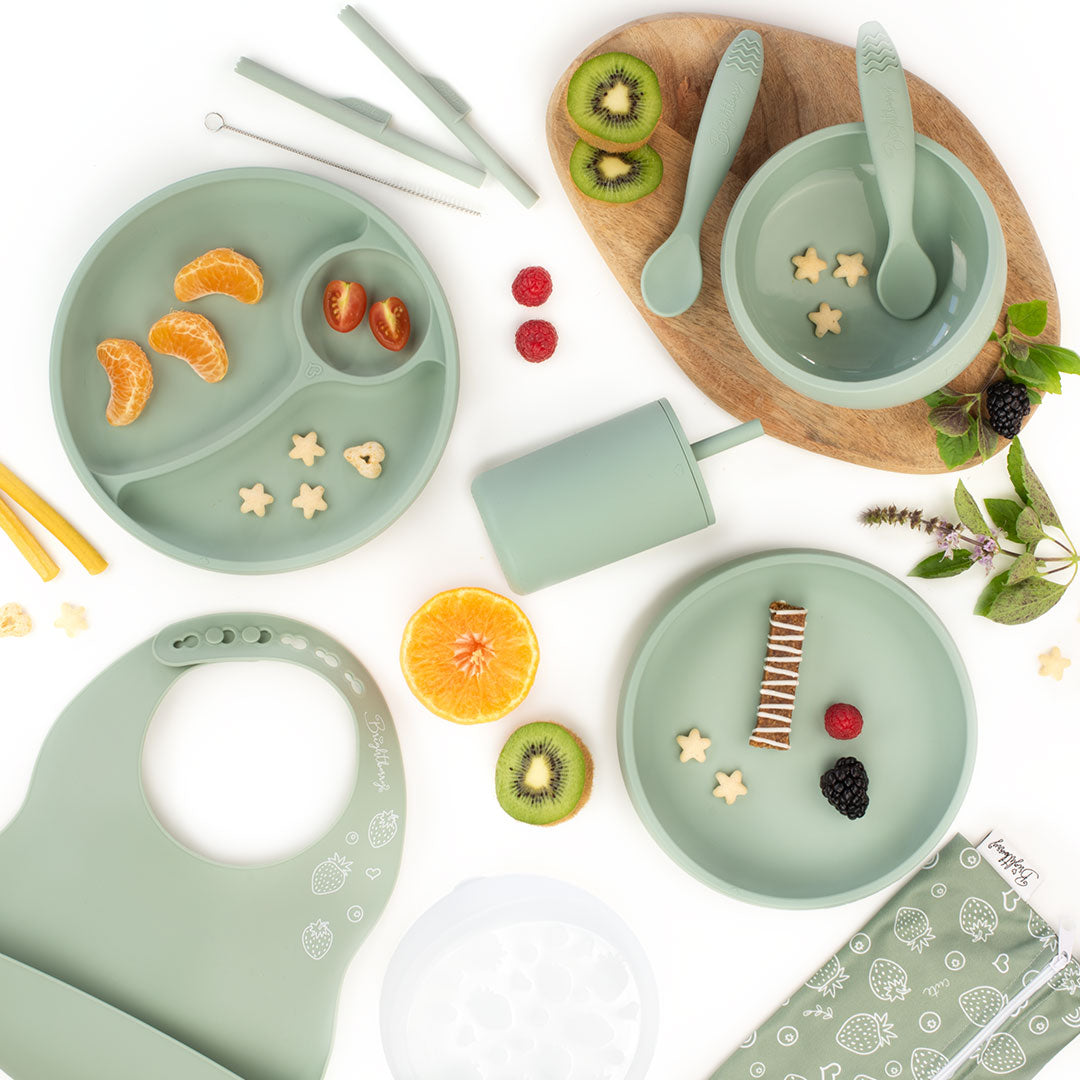
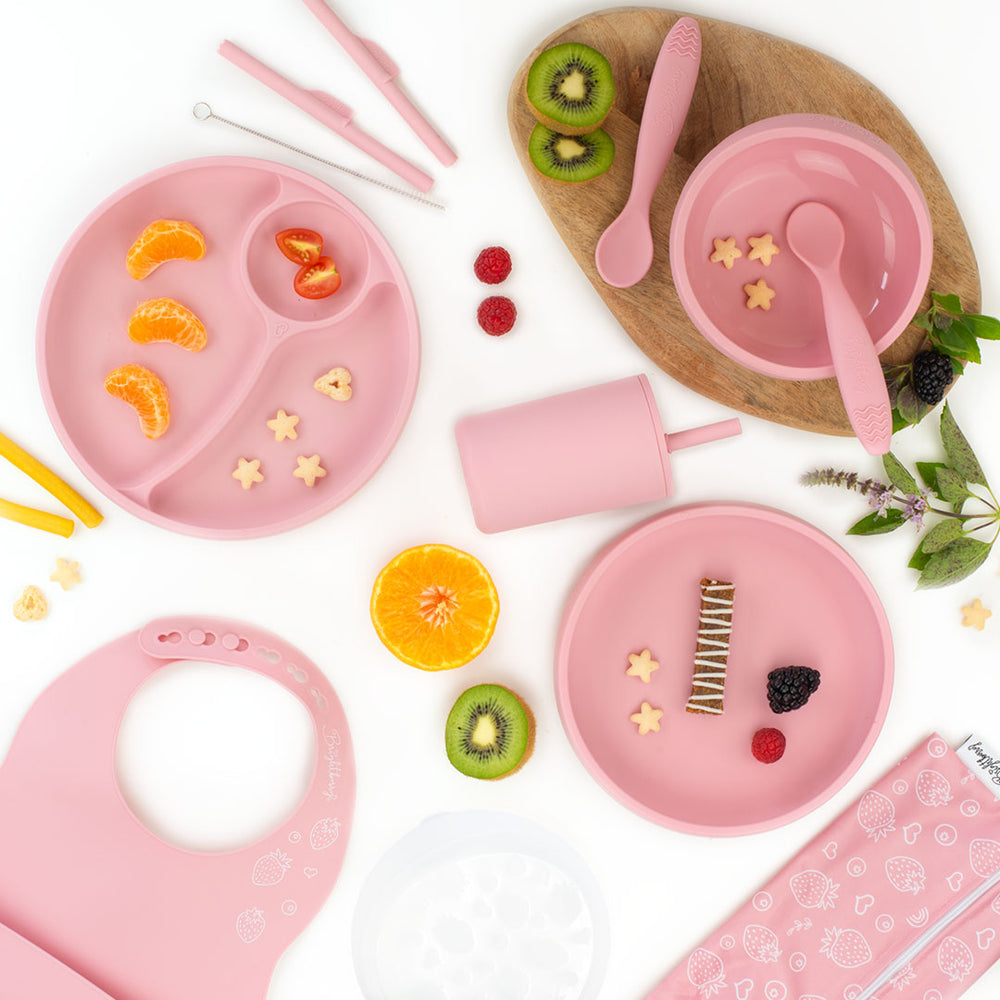
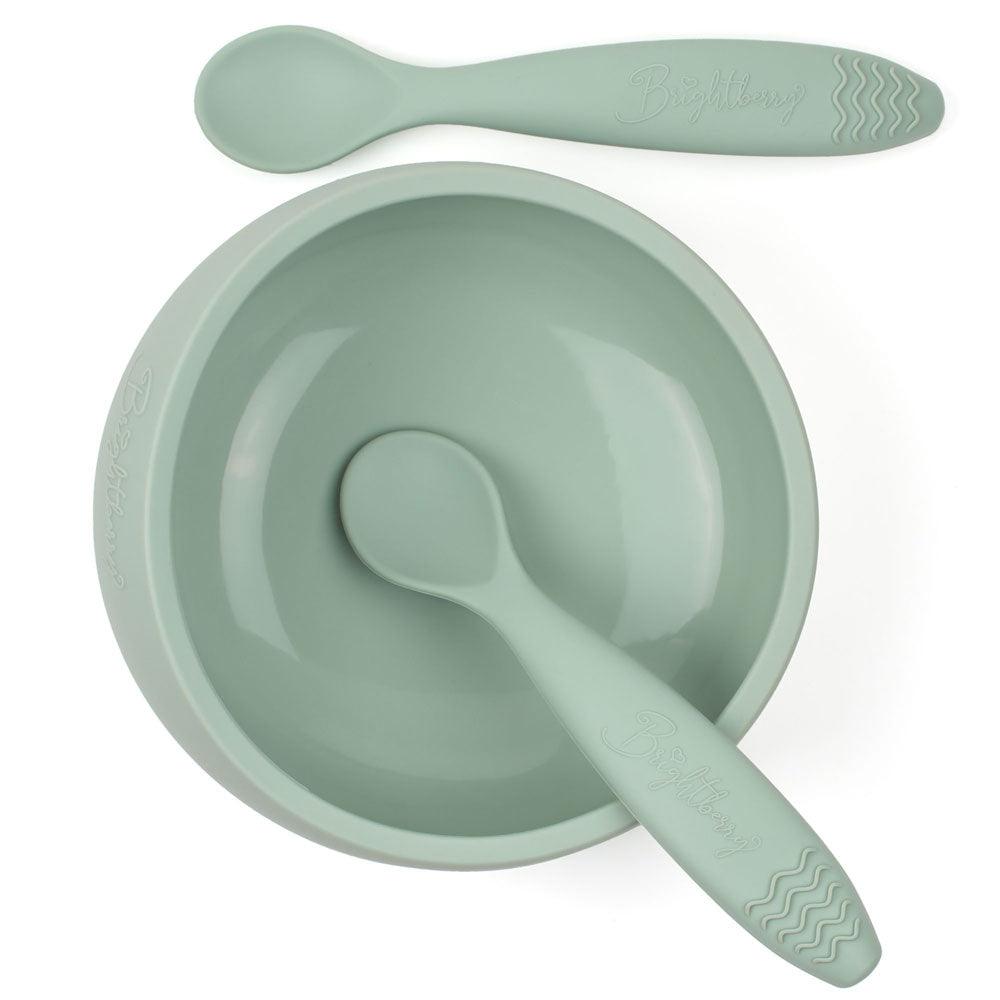
Brightberry's suction bowls and plates are designed specifically to support independent eating. The suction base holds firm on any flat surface, the curved inner walls guide food toward the spoon, and the soft silicone construction is gentle and quiet at the table.
The divided suction plate is particularly well-suited to children with food aversion or strong preferences about foods touching — three separate sections with the same stable suction base.
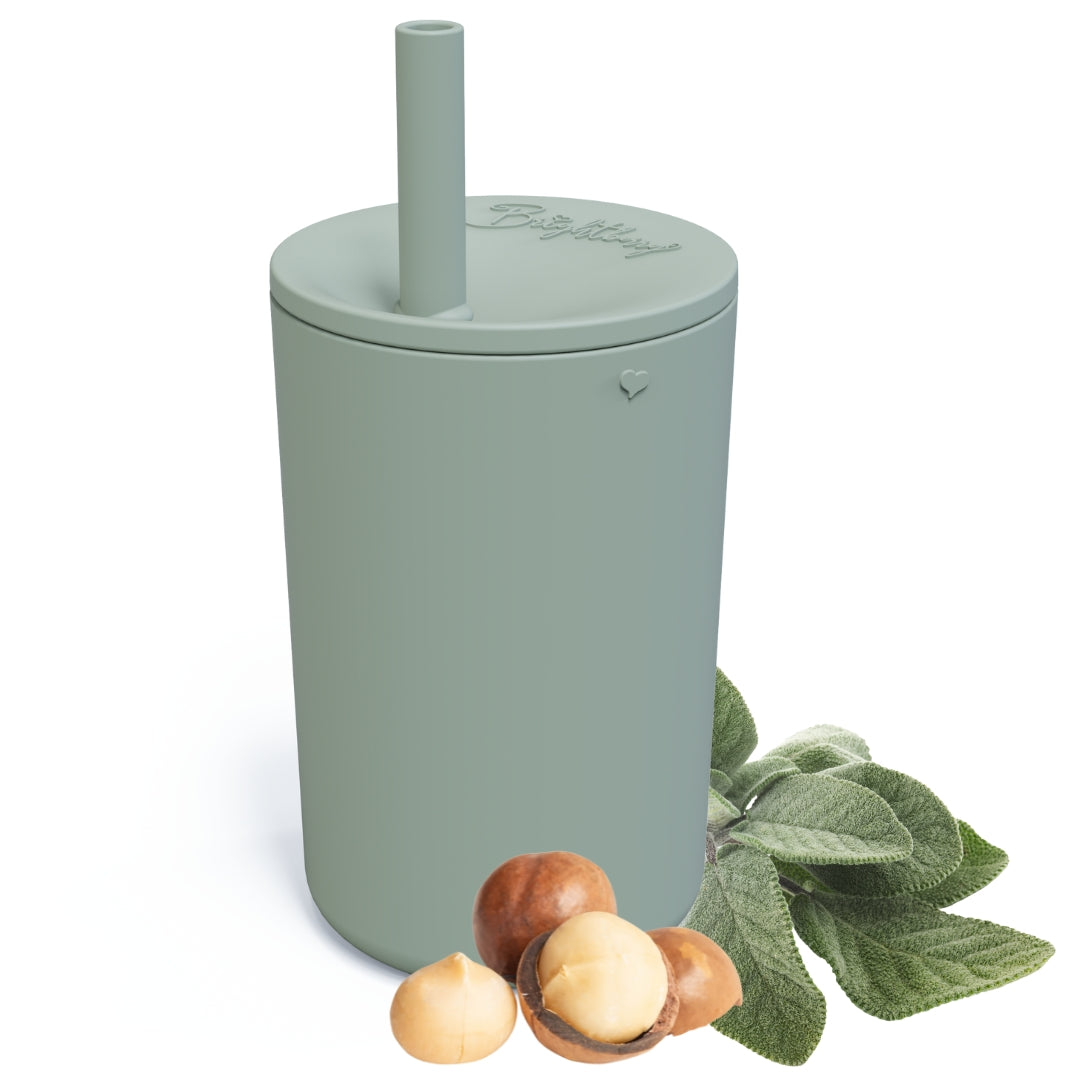
For drinking, the smoothie cup features a non-slip silicone body, secure lid, and soft free-flowing straw with a stopper, reducing spill anxiety and supporting independent drinking for children with limited grip or coordination.
All products are made from LFGB platinum silicone — BPA-free, non-toxic, and dishwasher safe.
A note for Occupational Therapists
If you're an OT supporting a child with autism whose mealtime goals include increased independence or reduced carer reliance, Brightberry tableware is worth considering as part of your equipment recommendations. Products sit under NDIS Core Supports — Consumables and are available Australia-wide, with funding determined by each participant's plan.
We're happy to answer questions about specific products or suitability. Contact us at contact@brightberry.com.au
Ready to order through your NDIS plan?
Visit our NDIS page for full details on how to claim or place a plan-managed order.